
When A Client Asks For “One More Thing” And You Have 10 Seconds To Respond
The $9M mistake that looked like competence


Sometimes the most damaging response in a client meeting is to answer a different question than the one that was actually asked. Cécile watched that happen once, and the consequences were dire:
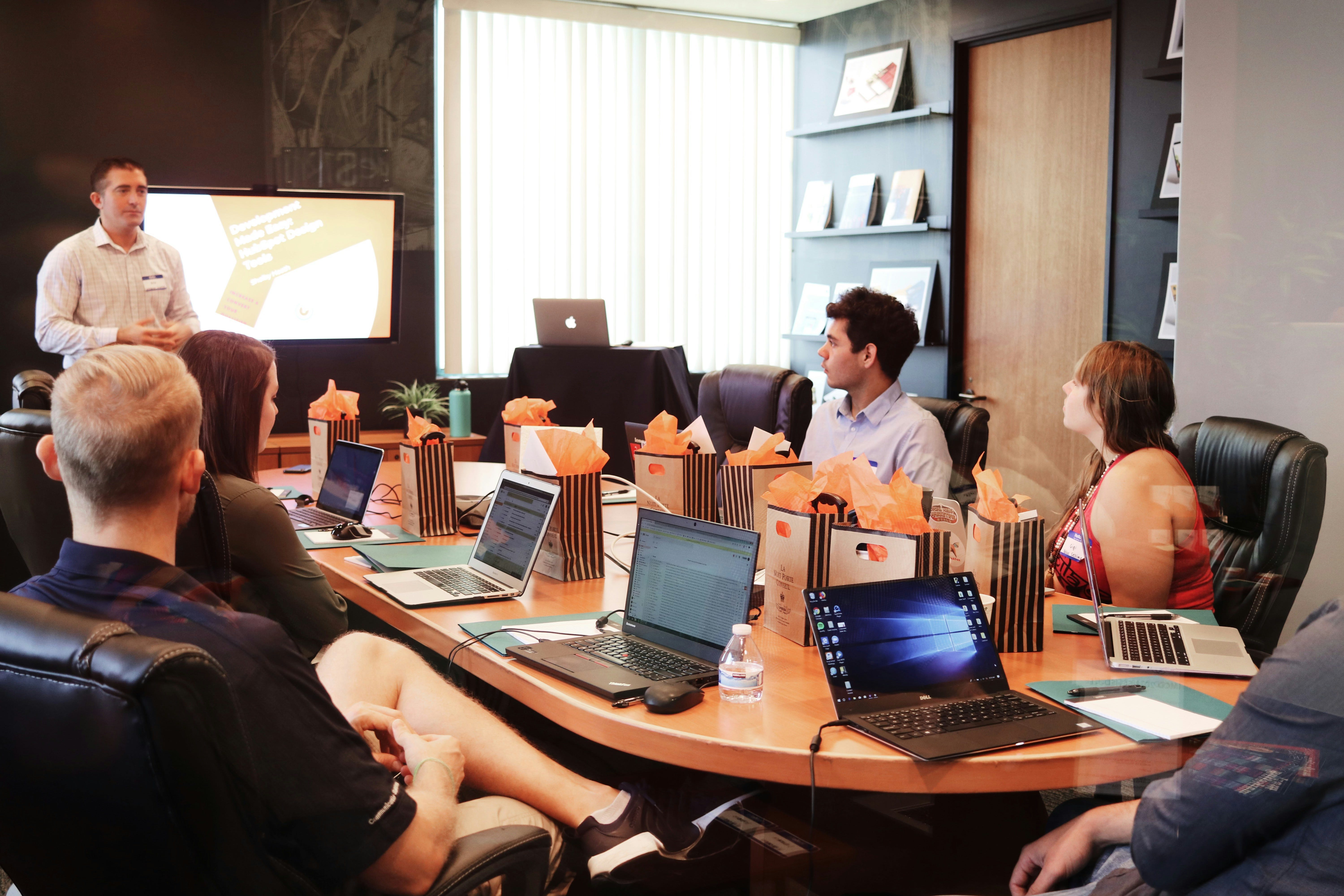
The question was raised in the last five minutes of our orals presentation, where we had to convince our client we were the right partner for their $9M technology transformation.
We were already in the familiar endgame, nearing the “thank you for your time” moment. The audience was nodding along, signalling “we’ve heard you”, meaning our deck had done its job. The team had done its job. Our partner was already shifting into wrap-up mode; not relaxed, exactly, but ready for the moment where more informal conversation can pick up again.
Then, the procurement lead on the client side leaned forward and said, almost conversationally: “We liked your approach, but in order for us to move faster we need an additional discount. Can you do that?” It wasn’t phrased as a threat, and it wasn’t dramatic, which is precisely why it was easy to underestimate.
The room went still in a way you only notice when you’re the one expected to speak next. Everyone’s eyes moved to the partner. He did what a lot of smart, experienced people do when a new variable enters late: he defaulted to expertise. He talked about how the pricing already reflected the maximum discount, how the scope had been carefully considered, how the value justified the rate. He wasn’t wrong, but he was answering a different question to the one that had just been asked.
We lost the deal. In an informal conversation with the client weeks later, they told us the pricing answer wasn’t really the issue. What had unsettled their team was the sense that if we couldn’t re-orient to a simple late question in the room, we might struggle to do it across a multi-year, complex programme.
In moments like this, you don’t need a perfect answer, but a move that buys you clarity without sounding defensive, so you can pivot.
A simple version is to acknowledge the ask, then ask one question that tells you what the discount is meant to unlock. Something like: “Understood on the discount. Can I ask what it would change on your side — is it a budget threshold, a procurement step, something at sign-off?” Once you know that, you can respond in a way that actually helps them get to yes.
That’s not what happened in Cécile’s story. The client introduced a late change, and the team responded with a lecture on pricing. What the client read between the lines was that the team struggled to re-orient fast.
Why adaptability is becoming a make-or-break skill
Every major workforce report now says the same thing: adaptability is rising in importance, and most organisations still don’t know how to develop it. The reason it keeps surfacing is that the underlying work has changed. Information is abundant, conditions shift mid-project, and the frames you walked into the room with rarely survive contact with what’s actually happening. What separates strong performers in that environment is orientation and judgement — the ability to decide what matters now, for these people, given these constraints.
Today, many professionals are investing heavily in new skills and tools, and this certainly helps. Yet the situations that most reliably set apart strong performers are the ones where existing and reusable frames stop working.
Before going further, it’s worth retiring a common misreading: that adaptable people are the agreeable, go-with-the-flow types. In serious work, adaptability shows up with backbone. The people who re-orient fastest usually have the clearest hypotheses about what’s happening and the strongest sense of what they’re trying to achieve. Which is also why the next bit is uncomfortable.
The Art of Asking Questions is a reader-supported publication. To support my work, please consider becoming a paid subscriber.
“But I am adaptable”
You probably already adapted three times this week. You probably also kept the same assumptions running underneath every single adjustment. In practice, we often adjust the content while keeping the same internal operating system. You can understand the brief perfectly and still miss the emotional temperature in the room. You can update what you say while keeping the same tone, even when the relationship dynamic has shifted.
These mental defaults are everywhere once you start looking for them. I was once working with a director who was presenting a restructuring plan to a leadership team they had worked with for years. They had updated every slide to reflect the post-merger org design, the rationale was tight, the numbers were clean. But they presented it the way they always presented to that group: collegial, and inviting input. What they hadn’t registered was that half the people in the room were now reporting into new roles and sat there wondering whether they still had their backing. The content was right, but the tone was three months out of date.
So the adaptability that matters here goes deeper than updating your behaviour. It has to reach the way you’re making sense of the situation in the first place and shift the interpretation running underneath the words and the slides.
The tricky part is that none of this feels like a gap when you’re inside it. The partner in Cécile’s story didn’t freeze: he responded fluently, confidently and with real expertise. He just answered the wrong question. You probably have a version of that moment, where you reached for a default that felt like competence but came across as rigidity. The skill here is noticing, in real time, that the frame you’re using has stopped fitting.
We have built a playbook that helps you practise exactly this. It includes development paths for beginners, intermediate and advanced practitioners, tools, AI prompts and frameworks that we use every day.
This article maps to the Adaptability section in the playbook - which is one of five! For the Adaptability section, we have three tailored assets:
1️⃣ Context Capture Workbook
2️⃣ Meeting Pivot Library
3️⃣ Reframing Models
Paid subscribers get this 70% off forever - find your discount code in the Members area!
This toolkit is part of our full guide on the five superpowers of consultants - the capabilities that consistently separate impactful from merely competent people in high-stakes environments. You can read more about Synthesis, Curiosity, Adaptability, Leadership and Engagement - the SCALE framework - here:

 | A guest post by
|
Great story here. I bet that was a heartbreaker.
Honestly, to me it looks like the partner was trying to keep their frame intact and did not realize the frame had shifted. I see that a lot when a presentation becomes a bit too rehearsed and starts going well. When the room changes, the presenter stays locked into the original sequence.
I like the idea of framing in real time.